The Silenced Wrench: When Punishing Safety Reporting Creates the Next Disaster
By UpFix
A recent lawsuit involving an FAA inspector and a major airline reveals a dangerous trend: a 'chilling effect' on safety reporting that could seed the next catastrophic failure.
The operating models and AI examples in this article are illustrative. They are not a specification of included UpFix features or a measured customer result. See product capabilities and plan limits for the current offer.
The Cost of Speaking Up
In his complaint against United Airlines, Paul Asmus alleged that reporting onboard concerns during a May 2022 trip led to removal and other consequences. The linked July 2, 2026 court order recounts those allegations and addresses a motion to dismiss. Allegations are not findings that the conduct occurred; this article uses the dispute to introduce general questions about reporting culture.
While a Department of Transportation judge ultimately dismissed the case against Asmus, finding the airline's witnesses unreliable, the incident casts a long shadow. The judge warned that punishing such reporting would "chill aviation safety," creating a world where no one, not even a federal inspector, would "ever wish to tell the flight attendants about any safety problems." This isn't just a dispute between one man and one company. It is a critical warning for every industrial operation. This "chilling effect" is the sound of a dysfunctional Safety Management System (SMS), and it's a silence that often precedes disaster.
The Anatomy of a Systemic Failure
The broader management question is how a team receives concerns, preserves evidence, and follows up fairly. Evaluate that process without assuming that a disputed account establishes another organization’s conduct.
The core issue, highlighted by both the lawsuit and the legislation, is the breakdown of voluntary safety reporting. An effective SMS is not a complex software platform; it is a culture. It's a system built on the trust that any employee, from the newest technician to a seasoned pilot or even a passenger, can raise a red flag about a potential hazard without fear of reprisal. When that trust is broken,when the messenger is shot, the system is dead. The organization goes blind. It loses the thousands of daily data points from the front lines that are the leading indicators of a future failure.
What Good Looks Like: The Proactive Safety Culture
In a healthy maintenance and reliability culture, the reaction to Asmus's report would have been the polar opposite. It would look something like this:
- Acknowledge and Thank: The crew would thank him for the observation.
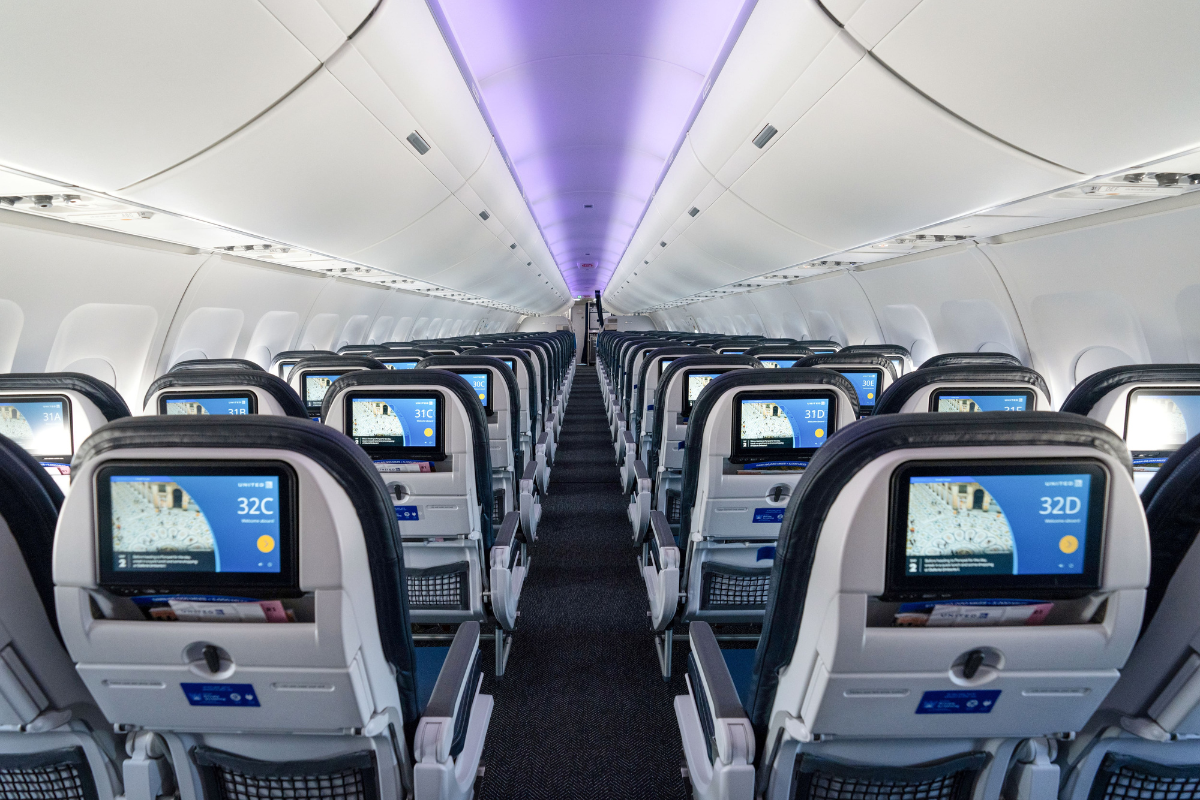
- Document: The torn pocket would be entered into the maintenance log, and the note about the passenger would go into the cabin log.
- Correct: The seat would be flagged for repair at the next opportunity. The cabin crew might have a quick pre-flight huddle on the next leg to reinforce passenger management during taxiing.
- Analyze: This is the crucial step. The data enters a central system. Is this the 50th report of a torn seatback pocket on this type of seat? Is there a premature wear issue with a specific part number? Are passenger-in-aisle events clustered at a particular airport or on a certain flight schedule?
This is the purpose of an SMS: to turn thousands of tiny, seemingly insignificant observations into a high-resolution map of emerging risk. When reporting is punished, the map goes blank.
The Unbiased Observer
This is precisely where the fear, politics, and human biases that create a "chilling effect" can be countered by technology. While AI is often discussed in the context of predictive maintenance (e.g., "this bearing will fail in 8 days"), its most profound impact may be on the cultural side of safety.
AI-native maintenance systems can act as the ultimate unbiased observer. By analyzing the raw, unstructured text from thousands of work orders, technician notes, pilot reports, and cabin logs, an AI can identify trends that no human analyst, or committee, could ever spot.
- Pattern Recognition: It can see that "worn bracket," "frayed wiring," and "intermittent fault" are appearing in reports for the same component across an entire fleet, even if they are written up by different people in different ways.
- Sentiment Analysis: It can detect frustration or repeated-but-unresolved issues in technician notes, flagging a potential process bottleneck or a component that is much harder to service than engineering diagrams suggest.
- Risk Correlation: It can connect a spike in reports about "cosmetic" issues, like torn seat pockets, with a subsequent increase in minor operational delays or even in-flight-turn-backs, proving that small problems are often leading indicators of bigger ones.
Most importantly, the AI doesn't care about office politics. It doesn't know that reporting a problem might make a manager look bad or delay a departure. It simply sees a signal in the noise and flags it for review. It ensures that the data from the front lines cannot be ignored, silenced, or explained away.
Practical Playbook: Is Your Safety Culture Working? (Next 30 Days)
For maintenance and operations leaders, the question is urgent: Is your organization encouraging reporting or chilling it? Here's how to find out.
- Review the Last 3 "Reprisal" Cases: Pull the files on the last three instances where an employee was disciplined in relation to an operational or safety issue. Was the punishment for the act, or for a failure to follow procedure that was self-reported? The difference is critical.
- Interview Your Union Reps/Senior Techs: Ask them, "If a junior tech sees a senior tech cutting a corner on a procedure to save time, what do you think they would do?" The answer is your reality.
- Audit Your "Close Calls": Look at your last 10 minor incidents. How many of them were preceded by a "close call" or a near-miss that was reported but not acted upon?
- Submit Anonymous Reports: Test your own system. Have a trusted colleague submit a few anonymous (but valid) safety reports through your official channels. See how long it takes for them to be acknowledged, investigated, and closed.
- Celebrate a "Good Catch": Find a recent example of a technician who found a problem that could have caused a shutdown. Celebrate it publicly. Make them a hero.
- Ask "What's the Dumbest Rule We Have?": Host a session with your team and ask for the rules and procedures that get in the way of doing good, safe work. You'll be surprised what you hear.
- Run an AI Pilot on Your Logs: Take the last three months of maintenance logs and run them through a modern text-analytics tool. See what patterns emerge that you didn't know existed.
Conclusion: This is the New Baseline
The days of relying solely on heroic individuals to speak up are over. The speed and complexity of modern industrial operations demand a systemic approach to safety. The controversy surrounding the FAA inspector is a stark reminder that even in the most regulated industries, the culture of safety reporting can be fragile. Building a resilient system requires two things: a leadership team that relentlessly protects and encourages the messenger, and the adoption of tools like AI that can hear the message in the data, even when it's just a whisper. Anything less is just waiting for the silence to be broken by the sound of a failure.
Key Takeaways
- Punishing employees for reporting safety concerns creates a "chilling effect" that blinds an organization to emerging risks.
- A recent lawsuit between an FAA inspector and United Airlines highlights how this can happen even in highly regulated industries.
- This issue is systemic, prompting U.S. Senators to reintroduce legislation to overhaul the FAA's own Safety Management System (SMS).
- A healthy safety culture treats every minor report as a valuable data point for trend analysis.
- AI can serve as an unbiased observer, analyzing vast amounts of operational text data to find safety signals that humans might miss or ignore.
Signals to Watch (Next 6 Months)
- Progress of the FAA SMS Compliance Review Act: Will it pass, and what will the independent review panel's initial findings be?
- Outcome of the Asmus vs. United Lawsuit: A significant ruling in favor of the inspector could have wide-ranging implications for corporate liability in safety reporting cases.
- NTSB Recommendations: Expect new NTSB reports from recent incidents to focus heavily on the failures of Safety Management Systems and data analysis.
- Increased Union Activism: Aviation and maintenance unions will likely use this momentum to push for stronger whistleblower protections in their next contract negotiations.
- Adoption of AI-powered SMS tools: Watch for an increase in vendors offering AI-based text analytics for maintenance and safety logs.
UpFix is an operations and work management platform with CMMS capabilities. Keep requests, Work Items, procedures, and service history together. Recurring automations require Team or Pro; inventory, analytics, purchasing, and the built-in Assistant require Pro. Connected meter data depends on supported integrations and configuration.