UpFix
Industrial Facilities Use Cases

Industrial facilities maintenance software for the systems that keep operations running

UpFix helps facility teams centralize maintenance across buildings, utilities, vendors, and work requests so critical work is visible, scheduled, and completed consistently across complex industrial and operational facilities.

Centralize building, utility, and site maintenance
Track PM compliance and recurring issues
Coordinate vendors and contractor work in one place
Reduce reactive maintenance with structured schedules
Building systems maintenance use case
Primary goalCentralize facility maintenance
Best forBuildings + utilities + mixed assets
High-value workflowWork orders + asset history
One place for work orders and asset historyTrack repairs, service notes, recurring issues, and full maintenance history for every system and piece of equipment.
Built for facility assetsManage HVAC, electrical systems, plumbing, utility equipment, building automation, and mixed site assets together.
Manuals and procedures attached to the assetStore equipment manuals, service instructions, SOPs, and vendor documentation where teams can actually use them.
Better visibility across buildings and systemsSee what is failing, what is due for PM, and where maintenance is becoming reactive across the facility.

Building systems maintenance

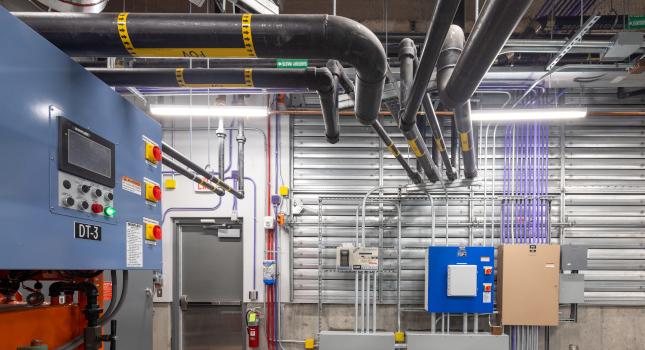
Centralize maintenance for HVAC, electrical, plumbing, building automation, and utility systems in one platform built to improve visibility, reduce downtime, and keep critical facility infrastructure operating reliably.

  • Centralize building, utility, and site maintenance in one CMMS built for operational facilities
  • Track work orders, asset history, and service activity across core building systems
  • Organize manuals, procedures, and maintenance records by asset and location
  • Improve response time by making past repairs, notes, and recurring issues easy to find
  • Reduce maintenance blind spots created by spreadsheets, email threads, and disconnected systems
  • Support better planning for repairs, replacements, and long-term facility reliability
Ideal for: industrial facilities, operations campuses, large buildings, utility-heavy sites, and mixed asset environments.
Preventive maintenance across sites and teams use case
Primary goalImprove PM compliance
Best forMulti-site + multi-team facilities
High-value workflowSchedules + checklists
Recurring PM that does not get missedSchedule maintenance by date, runtime, meter, season, or custom intervals for facility assets and systems.
Checklists that drive consistencyUse daily, weekly, monthly, seasonal, and compliance checklists to standardize maintenance execution.
PM compliance visibility across sitesSee what is complete, overdue, or slipping across buildings, facilities, and contractors.
Less reactive firefightingCatch issues earlier and reduce emergency work by building reliable preventive maintenance habits.

Preventive maintenance across sites and teams

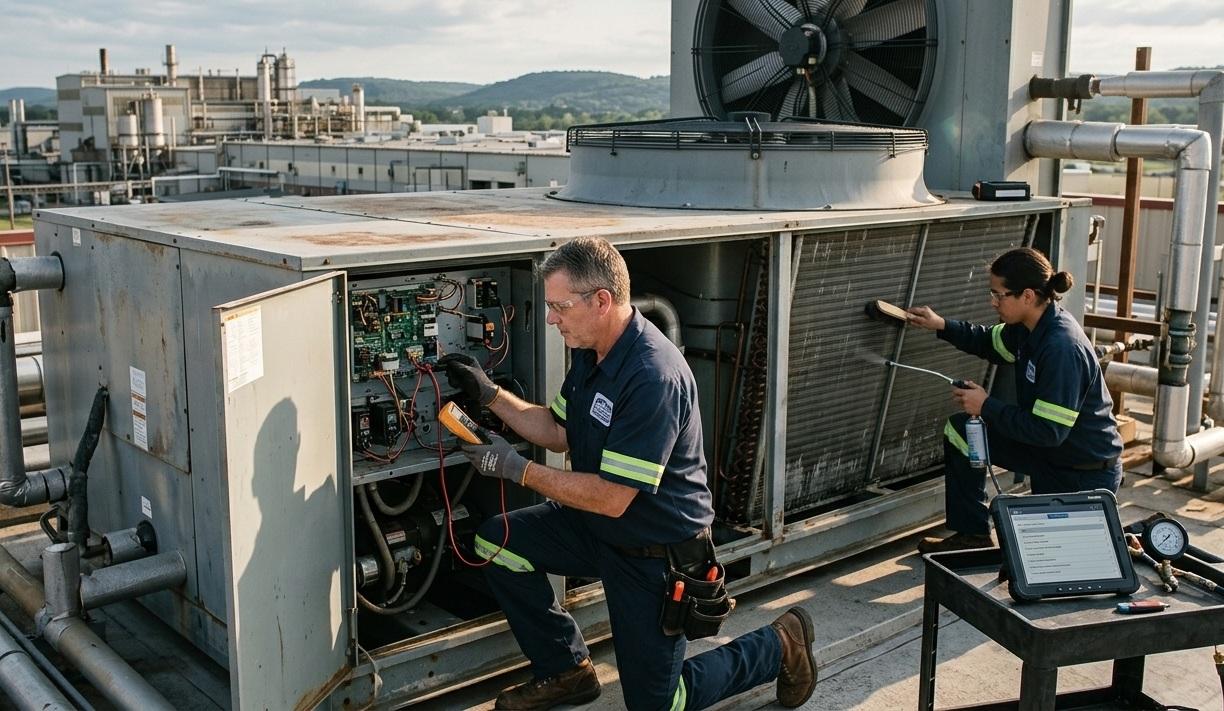
Standardize PM schedules, inspections, and maintenance workflows across buildings, technicians, and vendors so critical work gets done consistently and teams spend less time reacting to avoidable issues.

  • Standardize PM schedules across buildings, utility systems, technicians, and contractors
  • Attach checklists, procedures, and task instructions directly to recurring maintenance work
  • Track PM completion, overdue tasks, and recurring compliance gaps in one system
  • Use inspection workflows to surface issues early and create follow-up work automatically
  • Reduce maintenance inconsistency across teams, vendors, and multiple facilities
  • Give facility managers better visibility into preventive maintenance execution and backlog risk
Ideal for: facility managers, maintenance supervisors, operations teams, and organizations managing multiple buildings or sites.
Work requests, vendor coordination, and recurring issue tracking use case
Primary goalCoordinate work and vendors better
Best forComplex facilities + contractors
High-value workflowRequests + vendor follow-up
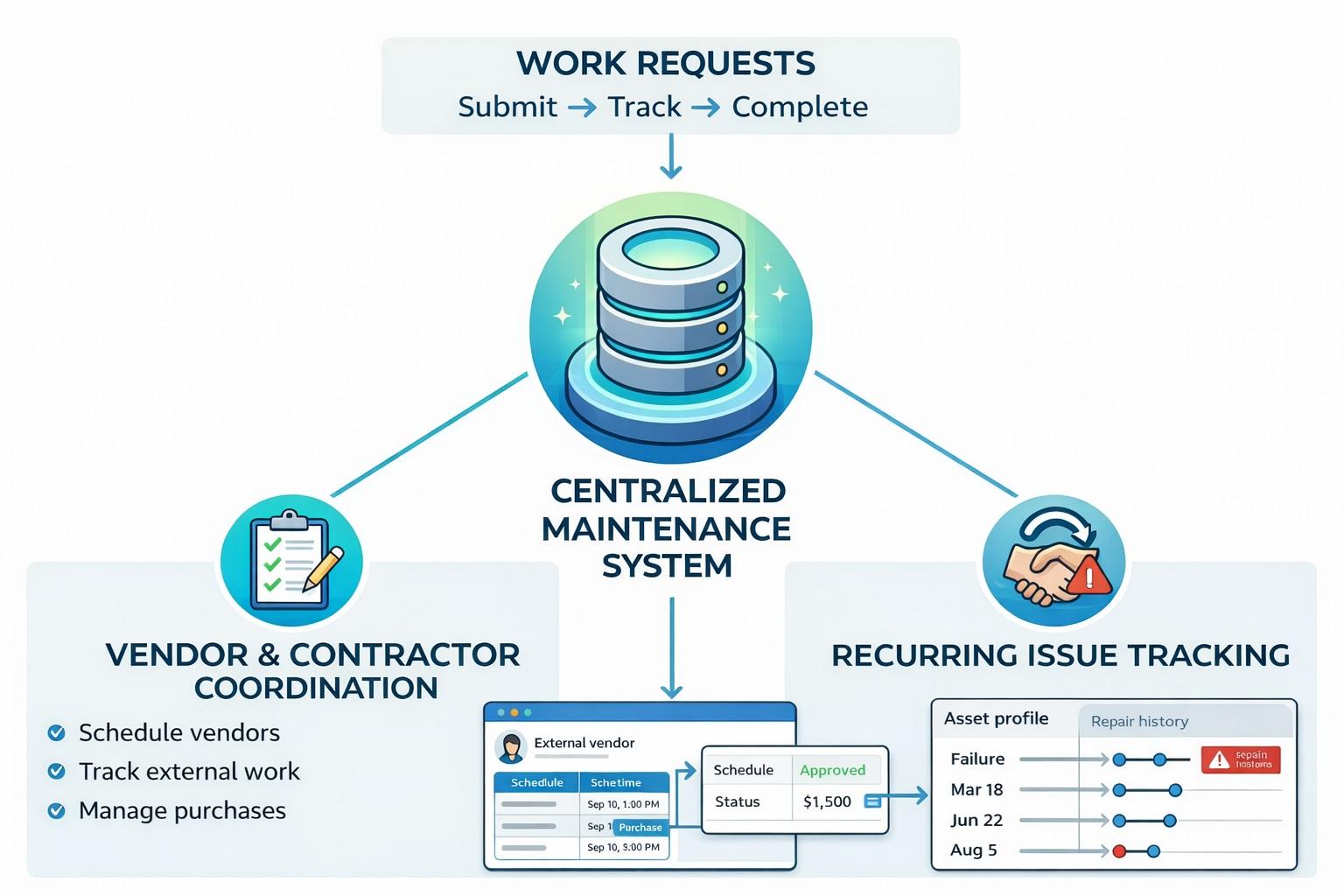
Centralized request intakeTrack incoming maintenance requests, assign work, and keep request history tied to the right asset or location.
Vendor and contractor coordinationManage contractor work, follow-ups, service records, and external maintenance activity in one workflow.
Recurring issue visibilitySee where the same leaks, failures, alarms, or system problems keep returning across buildings or assets.
Better prioritization and accountabilityGive teams one place to track what is open, who owns it, and what still needs follow-up.

Work requests, vendor coordination, and recurring issue tracking

Keep work requests, contractor activity, purchase follow-up, and repeat facility issues organized in one system so teams can move faster, stay accountable, and stop losing maintenance context across emails and spreadsheets.

  • Track work requests, service tickets, and maintenance follow-up in one system
  • Coordinate vendor work, contractor tasks, and supporting purchase activity more cleanly
  • Attach notes, service records, documents, and communications to the work being performed
  • Spot repeat facility issues earlier by keeping repair history visible and searchable
  • Reduce operational friction caused by scattered emails, spreadsheets, and disconnected systems
  • Help facility leaders prioritize work across sites, teams, and recurring maintenance problems
Ideal for: facilities with contractor-heavy workflows, multi-building operations, and teams managing large volumes of incoming maintenance work.

See UpFix for your industrial facility

Centralize maintenance, improve PM compliance, reduce reactive work, and give facility teams one platform for work orders, assets, vendors, and maintenance visibility.

Track work orders, assets, vendors, and maintenance history in one placeStandardize PM schedules, inspections, and recurring maintenanceReduce reactive firefighting with better visibility and follow-throughSupport facility teams across buildings, utilities, and operational sites
Start with the workflows that matter most

Most facility teams begin with work orders, preventive maintenance, and asset history, then expand into vendor coordination, analytics, inventory, and automation.