
The Billion-Dollar Swarf: What Toyota's Tundra Recall Reveals About Modern Maintenance Gaps
By UpFix
Toyota's Tundra recall highlights a bigger issue in manufacturing: weak process maintenance, poor verification, and quality failures on the production line.
The operating models and AI examples in this article are illustrative. They are not a specification of included UpFix features or a measured customer result. See product capabilities and plan limits for the current offer.
The Recall Notice No CEO Wants to See
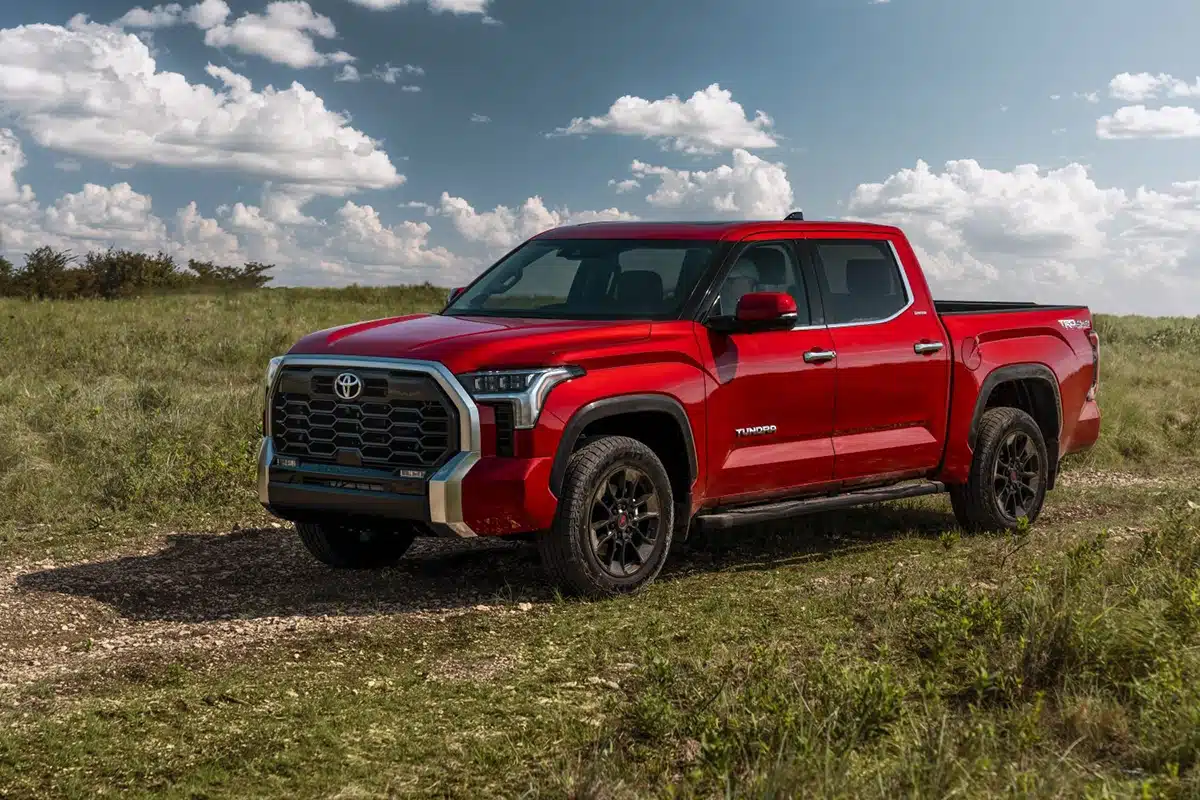
Toyota announced a November 2025 recall involving certain Toyota and Lexus vehicles because machining debris might remain in the engine. The manufacturer described possible engine damage or loss of power. The operational questions here concern documented procedures and quality checks; they are not findings about the cause of an individual vehicle failure.
The Incident: A Debris-Laden Déjà Vu
Use the linked manufacturer announcement for affected models and the stated condition. Do not infer an individual plant’s cause, repair method, or campaign eligibility from this article.
A recall is a reason to review the link between documented process controls and verified results. Teams should use the manufacturer’s published campaign details when deciding whether a specific asset is affected.
Root Causes: What Breaks in Real Maintenance Systems
An incident like this is never due to a single mistake. It's a symptom of deeper systemic issues that maintenance leaders should recognize in their own operations:
- Process Adherence vs. Process Reality: A procedure on paper is not a procedure in practice. The engine cleaning process existed, but it either wasn't followed correctly or was insufficient for the task. This gap between documented work instructions and shop-floor reality is a primary source of industrial failure.
- Tribal Knowledge Breakdown: When the 'why' behind a maintenance task is lost, the task itself becomes a series of motions. It's possible that newer technicians on the line didn't understand the critical importance of the cleaning phase, or experienced technicians had retired, taking that crucial context with them.
- Insufficient Verification: The failure wasn't caught by downstream quality control. This suggests a lack of adequate inspection or testing protocols robust enough to detect microscopic contaminants before the engine was assembled and shipped. Good maintenance includes verifying the work was effective.
- Production Pressure vs. Maintenance Thoroughness: In any high-volume manufacturing environment, the pressure to meet production targets is immense. This can lead to maintenance and cleaning steps being rushed or abbreviated, creating a direct trade-off between short-term throughput and long-term quality and reliability.
"What Good Looks Like": Best-Practice Countermeasures
Preventing a "machining debris" type of failure requires a multi-layered defense:
- Digitized & Enforced Work Instructions: Procedures must be clear, accessible on the line (e.g., on a tablet), and include mandatory verification steps (e.g., photo-confirmation of a clean chamber) before the technician can proceed.
- Redundant Quality Gates: Implement automated inspection points, such as sensor-based particulate matter counters in cleaning fluids or machine vision systems that can inspect components for foreign objects before assembly.
- Closed-Loop Feedback: Data from downstream failures (like the first recall) must be fed directly and immediately back into the maintenance and production procedures for the specific equipment and processes involved. The loop wasn't closed tightly enough for Toyota.
- Continuous Training on the 'Why': Technicians need to be trained not just on how to perform a task, but on the consequences of failure. Understanding that skipping a 60-second cleaning step could lead to a billion-dollar recall changes the perception of the task's importance.
The AI Maintenance Angle: Seeing the Unseen
This is a prime example of where AI and machine learning can transition from a buzzword to a bottom-line tool.
- Where AI Helps:
- Computer Vision: AI-powered cameras could inspect engine blocks post-machining with superhuman accuracy, flagging microscopic debris that a human eye would miss.
- Sensor Anomaly Detection: Analyzing data from the machining and cleaning equipment itself could have flagged anomalies. For instance, a subtle change in fluid pressure or flow rates in the cleaning system could indicate a blockage or process deviation, alerting maintenance teams long before a bad part is produced.
- AI-Powered Work Instructions: An AI copilot can analyze failure data from past events and automatically suggest updates to maintenance procedures, ensuring that lessons learned are immediately embedded into the workflow.
- Where AI Doesn't Help: AI is not a substitute for process discipline. If teams are culturally conditioned to bypass red flags raised by an AI system to meet production quotas, the technology is useless. The foundation must be a culture that respects and acts on maintenance and quality alerts.
Practical Playbook: 7 Actions for Leaders in the Next 30 Days
- Identify Your 'Machining Debris': What is the most simple, critical, and easily overlooked maintenance or cleaning step in your most vital process?
- Audit Your Critical Procedures: Pull the work instructions for that one process. Give them to a new technician and an experienced one. Are they interpreted the same way?
- Walk the Line: Watch the process being performed. Does it match the documentation exactly?
- Question Your Quality Gates: How do you verify that your most critical maintenance tasks were done correctly? Is it a checkbox, or is there a data-driven confirmation?
- Review Your Feedback Loop: When your product fails in the field, how quickly and accurately does that information get back to the specific maintenance procedure that could have prevented it?
- Calculate the Cost of a 'Simple' Failure: Model the financial impact of your 'machining debris' failure. Share it with your team.
- Pilot One AI-Powered Check: Identify one high-risk, low-complexity inspection point as a candidate for a computer vision or sensor-based monitoring pilot.
Conclusion: This is the New Baseline
The Toyota Tundra recall is a powerful reminder that in modern manufacturing, the reliability of the end product is inextricably linked to the maintenance of the production process. A failure to perform a seemingly basic cleaning task can have consequences as severe as a major design flaw. For maintenance leaders, the new baseline for excellence is not just about keeping machines running; it's about ensuring the processes that guarantee quality and safety are maintained with absolute, verifiable rigor. The tools to do so, including AI, are now available. The discipline to use them is the differentiator.
Key Takeaways
- Toyota's second Tundra engine recall was caused by machining debris left in engines, a failure of production-line cleaning processes.
- The recurrence of the issue highlights systemic gaps between documented procedures and shop-floor reality.
- Root causes include poor process adherence, insufficient verification, and production pressure overriding quality protocols.
- AI tools like computer vision and sensor anomaly detection can help detect such failures at the source.
- Leaders must focus on identifying their own critical, simple failure points and implementing robust, data-driven verification.
Signals to Watch (Next 6 Months)
- Increased adoption of AI-based computer vision for in-line quality control in automotive and aerospace.
- A push for more transparent supply chains, with OEMs demanding verifiable process data from suppliers.
- Insurance and warranty providers adjusting premiums based on the demonstrable robustness of a company's maintenance and quality programs.
- A rise in demand for 'hybrid technicians' skilled in both mechanical maintenance and data analysis.
- More recalls from other industries citing process failures over design flaws as the root cause.
- Further investment by major manufacturers in digitizing and enforcing standard operating procedures on the factory floor.
UpFix is an operations and work management platform with CMMS capabilities. Keep requests, Work Items, procedures, and service history together. Recurring automations require Team or Pro; inventory, analytics, purchasing, and the built-in Assistant require Pro. Connected meter data depends on supported integrations and configuration.