Depot Charging Is Now a Fleet Maintenance System
By UpFix
Fleet operators are learning that charger availability, not vehicle count, is becoming the main uptime bottleneck. Here is the operating model that fixes it.
The operating models and AI examples in this article are illustrative. They are not a specification of included UpFix features or a measured customer result. See product capabilities and plan limits for the current offer.
The uptime bottleneck moved from vehicle to depot
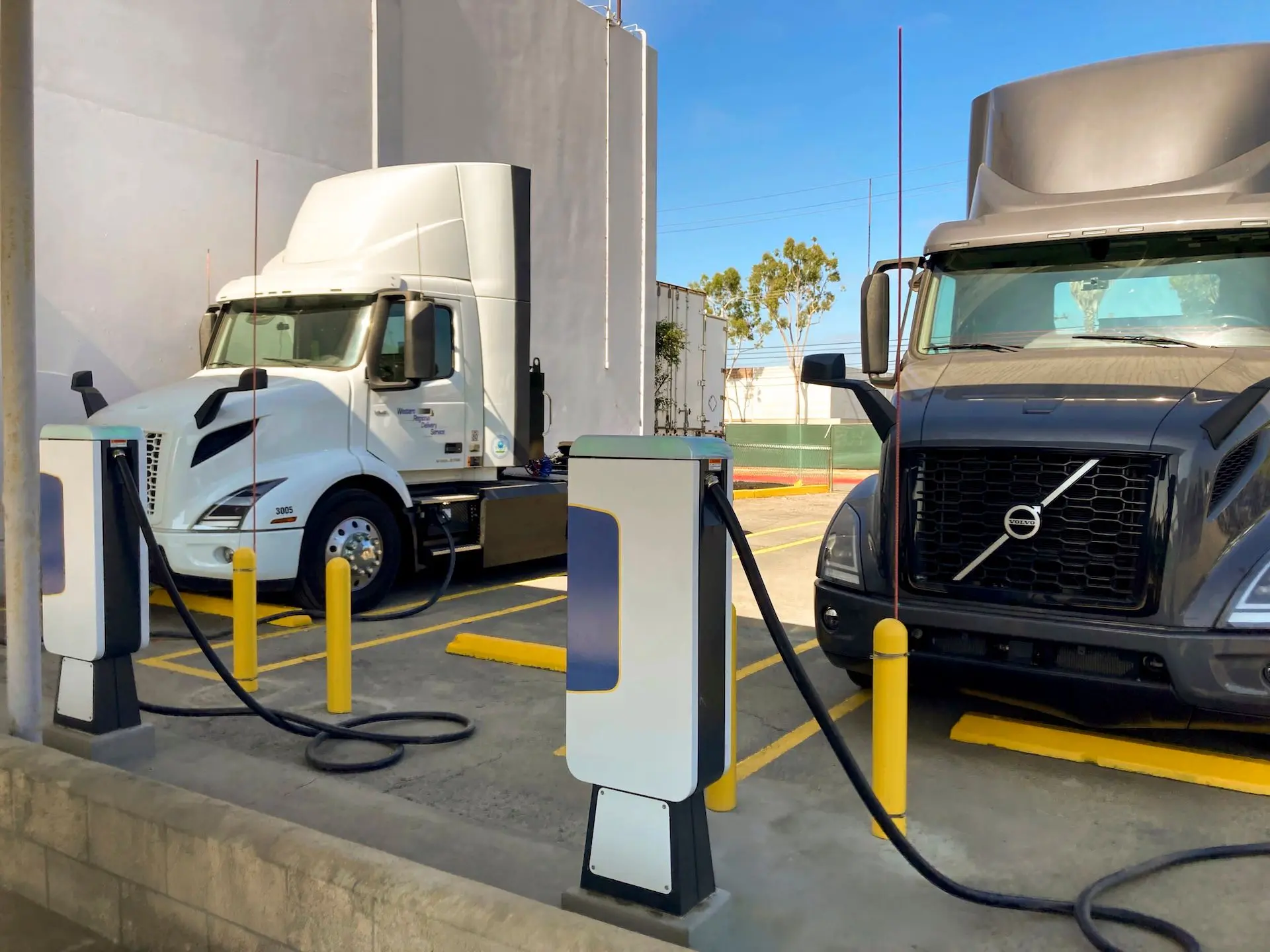
Most fleet teams still manage charging as an electrical project. That model is now failing in live operations. The issue is simple. If chargers are unavailable between 10:00 PM and 5:00 AM, trucks and buses miss dispatch windows no matter how healthy the vehicles are.
Recent coverage across transport and infrastructure reporting has focused on grid strain, charging scale-up, and reliability pressure as fleets electrify. The operational signal is clear. Charging assets now behave like production assets. They need the same discipline fleets already apply to engines, brakes, and tires.
For maintenance leaders, this is not a technology trend. It is a control problem. You either run charger uptime with measurable maintenance standards, or route reliability will be unstable.
Root cause analysis: why depot charging fails in practice
1) The wrong ownership model
Charging reliability often sits between facilities, utilities, and fleet maintenance with no single point owner. When failures cross boundaries, mean time to repair grows fast.
2) Work orders are disconnected from telemetry
Many teams still open tickets from phone calls, not fault streams. That delays triage and leads to repeated dispatches for the same fault signature.
3) PM plans are copied from mechanical assets
Calendar PM alone misses high-frequency electrical degradation patterns. Connector wear, thermal stress, cable strain, and firmware drift do not fail on fixed monthly intervals.
4) Charging and dispatch planning are not integrated
Dispatch sees route urgency. Maintenance sees asset condition. Without a shared optimization loop, high-priority vehicles get assigned to unstable chargers and miss departure.
What good looks like in 2026
High-performing fleets now treat each charger, cabinet, and transformer interface as a maintainable reliability unit. They run one operating rhythm across telemetry, work orders, and dispatch decisions. This is where an AI-native maintenance layer creates leverage. It links fault codes, asset history, technician notes, and route criticality in one decision surface.
The goal is not to predict every failure. The goal is to prevent small electrical issues from becoming service-level failures at 6:00 AM.
Operator playbook: 9 steps to stabilize charging uptime
- Assign a single reliability owner for charging uptime across maintenance, facilities, and utility coordination.
- Define asset hierarchy down to connector and power-module level so failures are analyzed at the correct granularity.
- Ingest charger telemetry into CMMS and auto-create priority-ranked work orders based on route impact.
- Separate safety-critical faults from service-degrading faults so technicians can clear the highest operational risk first.
- Implement condition-based PM using thermal cycles, connector mating counts, and repeat fault signatures.
- Create a morning readiness score that blends charger availability, queued jobs, and vehicle state-of-charge risk.
- Stock failure-prone parts at depot level and tie reorder points to live fault frequency, not annual averages.
- Run weekly bad-actor reviews for chargers with repeated outages and trigger replace-versus-repair decisions early.
- Close the loop with dispatch so unstable chargers are automatically excluded from high-priority route planning.
AI maintenance that actually works
The practical AI use case is not a dashboard. It is decision compression. A model should summarize recurring failures, identify probable root causes, recommend the next best action, and write the work order context in technician language. That cuts triage time and prevents low-quality ticket churn.
UpFix is an operations and work management platform with CMMS capabilities. Keep requests, Work Items, procedures, and service history together. Recurring automations require Team or Pro; inventory, analytics, purchasing, and the built-in Assistant require Pro. Connected meter data depends on supported integrations and configuration.
Signals to Watch
- Rising overnight charger fault resets per site
- Growing gap between charger uptime and vehicle readiness
- Repeat tickets on the same connector or power module within 14 days
- MTTR increasing for faults that cross facilities and fleet teams
- Morning route delays linked to charging, not vehicle mechanical health
Executive takeaway
Fleet electrification does not fail first at procurement. It fails at maintenance operating design. Teams that treat depot charging as a reliability system will protect service levels and control cost. Teams that treat it as passive infrastructure will keep paying for avoidable dispatch misses.